Why Are My Eyes Burning and Watery This Fall in Cinnaminson? (It’s Not Just Pollen)
Fall in Cinnaminson can bring cooler temperatures, changing outdoor allergens, and more time spent indoors. If your eyes suddenly feel burning, watery, itchy, or gritty, it is easy to assume pollen is the only cause. Seasonal allergies may be involved, but dry eye and environmental changes can produce many of the same symptoms.
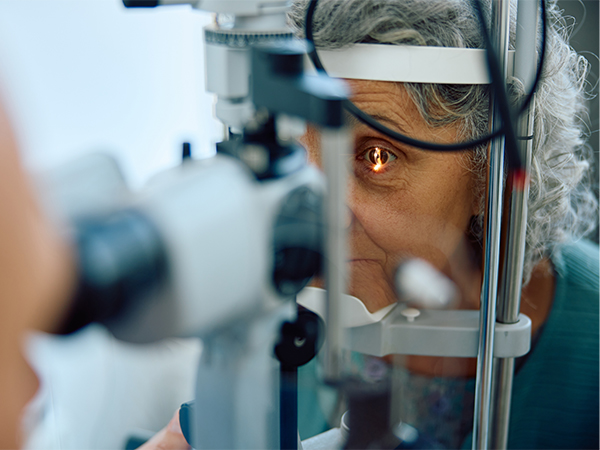
At Optic One, we evaluate patients in Cinnaminson who experience recurring eye irritation throughout the fall. An eye exam can help determine whether allergies, dry eye, or a combination of factors may be affecting your comfort.
Why Fall Allergies Can Affect Your Eyes
Seasonal eye allergies occur when your immune system reacts to substances in the environment. Fall triggers can include plant pollen, mold spores, dust, and other airborne allergens.
Itching is often one of the most noticeable signs of an allergic reaction. You may also experience redness, swelling, watering, or irritation in both eyes.
However, symptoms alone do not always make the cause obvious. Watery eyes, for example, can occur with both allergies and dry eye.
Dry Eye Can Make Your Eyes Water Too
Dry eye may sound like the opposite of watery eyes, but the two can occur together. When the eye surface becomes dry or irritated, your eyes may respond by producing reflex tears. These tears can make your eyes water without fully restoring a healthy, stable tear film.
Cooler fall air can contribute to tear evaporation, and indoor heating can reduce humidity as the season progresses. Spending more time on computers and phones may also make symptoms more noticeable because people tend to blink less frequently while concentrating on screens.
Signs worth discussing during your Cinnaminson eye exam include:
Burning, stinging, or gritty sensations
Frequent or excessive watering
Significant itching
Red or irritated eyes
Fluctuating or temporarily blurry vision
Symptoms that worsen during screen use
Discomfort with contact lenses
Symptoms that change between indoor and outdoor environments
Tracking when these problems occur can help your optometrist identify useful patterns.
Can You Have Allergies and Dry Eye at the Same Time?
Yes. Some patients experience both conditions, which can make symptoms harder to interpret.
Allergies can irritate the eye surface, while dry eye can make already-sensitive eyes feel even more uncomfortable. Certain allergy medications may also contribute to dryness in some people.
That is why repeatedly trying different over-the-counter drops may not solve the problem. Allergy drops, lubricating drops, and redness-relief products serve different purposes. Using the wrong product for your symptoms may provide little benefit.
At Optic One, we can evaluate the eye surface, tear film, eyelids, and other factors to determine which type of care may be appropriate.
Make Your Environment Easier on Your Eyes
If fall conditions are bothering your eyes, simple changes may help. Avoid directing fans or heating vents toward your face, take regular breaks during extended screen use, and try to blink fully when working at a computer.
If outdoor allergens seem to trigger symptoms, washing your face after spending time outside and avoiding rubbing your eyes can also reduce additional irritation.
Contact lens wearers should pay particular attention to increasing dryness, redness, or discomfort. If your lenses suddenly become difficult to tolerate, an examination can help determine whether the eye surface needs attention or whether your lens routine should be adjusted.
Know When Eye Irritation Needs Prompt Care
Routine allergy or dry eye symptoms are different from severe pain, substantial light sensitivity, sudden vision loss, injury, or rapidly worsening redness. These symptoms should receive prompt professional attention rather than being assumed to be seasonal irritation.
If burning, watery, itchy, or uncomfortable eyes are interfering with your fall in Cinnaminson, schedule an eye exam with Optic One at 2401 US-130, Cinnaminson, NJ 08077 by calling (856) 788-6167.
Quick Links
Helpful Articles
article_category: restorative
article_category: vision therapy
article_category: contact lenses
article_category: health
article_category: conditions
article_category: eye surgery co-management
article_category: exotic
article_category: cosmetic
article_category: products
article_category: psychiatry
article_category: faqs
article_category: cats
article_category: general
article_category: services
article_category: technology
article_category: dogs
article_category: surgical procedures
article_category: aesthetics
article_category: preventative
article_category: ocular disease management
article_category: eyeglasses
article_category: eye health
article_category: large animal
[]
Flowbite is an open-source library of interactive components built on top of Tailwind CSS including buttons, dropdowns, modals, navbars, and more.
Check out this guide to learn how to get started and start developing websites even faster with components on top of Tailwind CSS.

All Eye Care Services
Find personalized eye care excellence with our comprehensive services. From eye exams to advanced diagnostics, trust us for all your vision needs.
Keep In Touch
For non-urgent questions or to learn more about our services, contact us today!
© 2026 Optic One. All rights Reserved - Accessibility Statement - Privacy Policy - Sitemap
Managed and Designed by 