Can You Prevent or Slow Down Cataracts Evidence Based Tips

Can You Prevent or Slow Down Cataracts? Evidence‑Based Tips
Cataracts are a normal part of aging, and most people will eventually deal with them. The encouraging news is that you may be able to slow them down. Healthy habits can help keep your eyes clearer for longer.
First, What Exactly Is a Cataract?
Think of a cataract as a foggy window inside your eye. Your lens is supposed to be clear so it can focus light properly. But over time, proteins in the lens break down and form clumps. Those clumps create cloudy patches that blur your vision. You might also notice more glare from oncoming headlights. Colors may appear less vibrant or take on a yellowish tint.
The Truth About Prevention
No study has proven that cataracts can be fully prevented. They are tied to aging, and your risk increases as you get older. Still, research shows that certain factors can accelerate the development of cataracts. By managing these, you may be able to delay when cataracts start to affect your sight. That is a goal worth aiming for.
- Eat for Your Eyes
What you eat matters more than you might realize. Antioxidants help protect the parts of your eye that keep your lens clear. Vitamin C builds up in your eyes, and getting more of it is linked to a lower chance of cataracts. You can get vitamin C from bell peppers, citrus fruits, kale, and broccoli.
Vitamin E helps protect important parts of your eyes. You can get it from nuts, sunflower seeds, and leafy greens. Lutein and zeaxanthin help block harmful blue light and sunlight. These are found in spinach, kale, egg yolks, and sweet corn. Here is a simple goal: five servings of fruits and vegetables each day, plus a handful of nuts. Your eyes will thank you.
- Protect Your Eyes From the Sun
Ultraviolet light from the sun can slowly harm your eyes. An easy way to protect them is to wear sunglasses that block more than 99% of UVA and UVB rays. Pick wraparound styles or big frames that cover your eyes from all sides. Wearing a wide-brimmed hat on sunny days gives you even more protection.
- Quit Smoking
Smoking is a big risk for cataracts. It puts harmful chemicals into your eyes that damage them. Over time, this makes your vision cloudy faster. Quitting lowers your risk, even if you have smoked for years. Your eyes start to get better as soon as you stop.
- Limit Alcohol
Drinking too much alcohol will translate into higher chances of developing cataracts. It fuels inflammation in the body and creates damaging molecules that affect your eyes. Limiting yourself to one drink a day or less benefits both your overall health and your eyesight.
- Manage Your Blood Sugar
If you have diabetes, keeping your blood sugar under control is very important for your eyes. High blood sugar can make your lens swell and cause sugar to build up inside. Over time, this can accelerate the formation of cataracts. Work with your doctor to keep your blood sugar steady.
- Be Mindful of Steroid Medications
Taking oral steroids like prednisone for a long time can increase your risk of cataracts. Sometimes, these medicines are needed for serious health issues, so only stop them if your doctor says it is safe. If you need steroids for a long time, your doctor should check your eyes regularly.
- Keep Up With Eye Exams
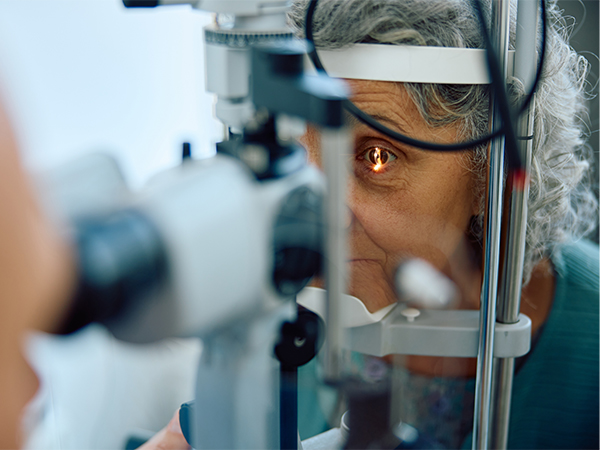
Regular, thorough eye exams can catch cataracts early, sometimes before you notice any vision changes. Your doctor can track changes over time and help you decide when treatment is needed. Adults over 65 should get an eye exam every one to two years.
Eating well, shielding your eyes from the sun, not smoking, and managing health issues all help. These actions may not fully prevent cataracts, but they can slow them down. Slowing cataracts means more years of clear vision, which is worth it.
To find out more about preventing or slowing cataracts, visit Optic One in Cinnaminson, New Jersey. Call (856) 788-6167 to schedule an appointment.
https://www.mayoclinic.org/diseases-conditions/cataracts/symptoms-causes/syc-20353790
Quick Links
Helpful Articles
article_category: products
article_category: psychiatry
article_category: faqs
article_category: cats
article_category: general
article_category: services
article_category: technology
article_category: dogs
article_category: restorative
article_category: vision therapy
article_category: contact lenses
article_category: health
article_category: conditions
article_category: eye surgery co-management
article_category: exotic
article_category: cosmetic
article_category: surgical procedures
article_category: aesthetics
article_category: preventative
article_category: ocular disease management
article_category: eyeglasses
article_category: eye health
article_category: large animal
[]
article_category: psychiatry
article_category: faqs
article_category: cats
article_category: general
article_category: services
article_category: technology
article_category: dogs
article_category: restorative
article_category: vision therapy
article_category: contact lenses
article_category: health
article_category: conditions
article_category: eye surgery co-management
article_category: exotic
article_category: cosmetic
article_category: surgical procedures
article_category: aesthetics
article_category: preventative
article_category: ocular disease management
article_category: eyeglasses
article_category: eye health
article_category: large animal
[]
Flowbite is an open-source library of interactive components built on top of Tailwind CSS including buttons, dropdowns, modals, navbars, and more.
Check out this guide to learn how to get started and start developing websites even faster with components on top of Tailwind CSS.

All Eye Care Services
Find personalized eye care excellence with our comprehensive services. From eye exams to advanced diagnostics, trust us for all your vision needs.
Keep In Touch
For non-urgent questions or to learn more about our services, contact us today!
© 2026 Optic One. All rights Reserved - Accessibility Statement - Privacy Policy - Sitemap
Managed and Designed by 